
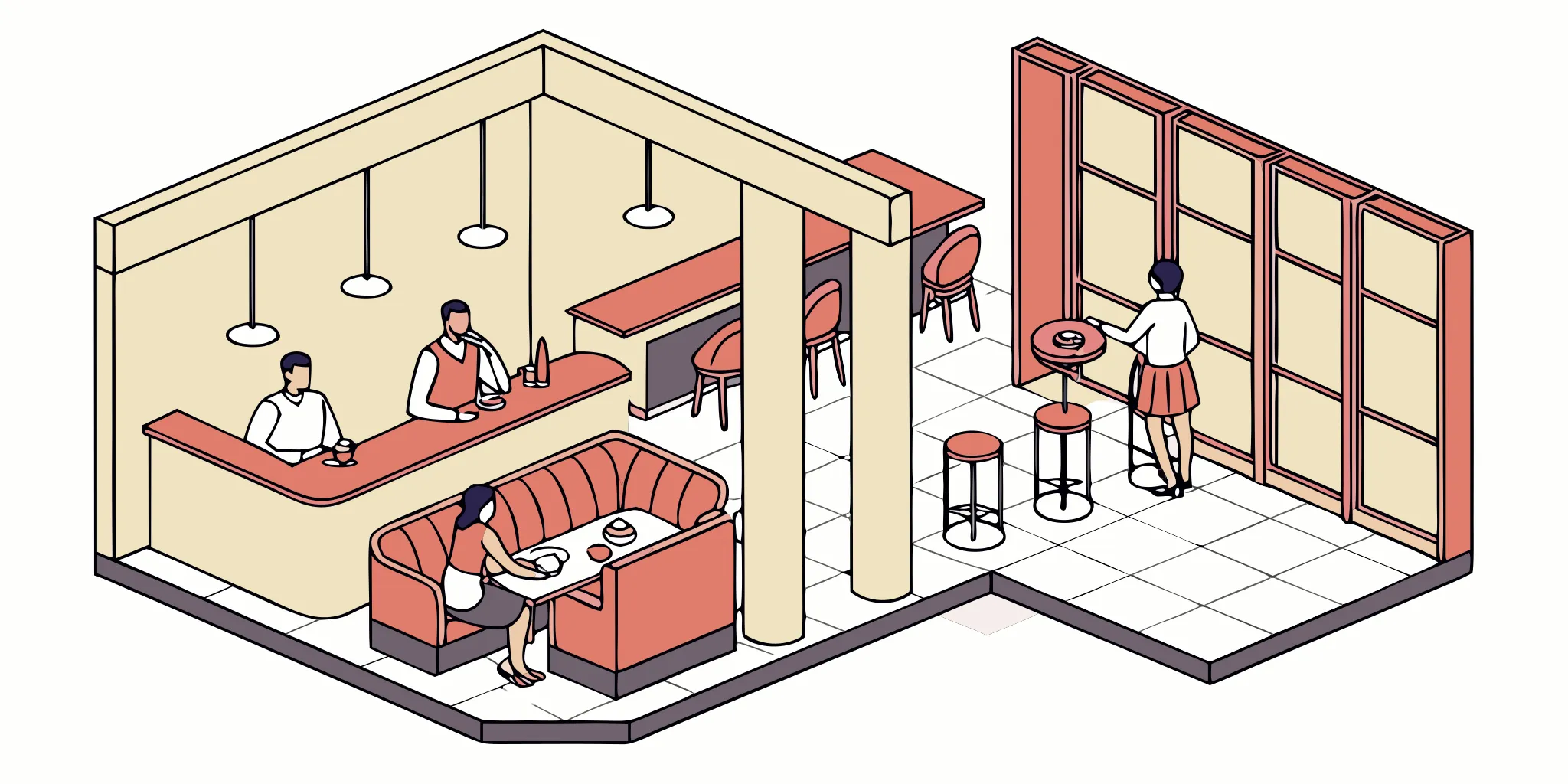
Your establishment is more than just a place to eat and drink; it’s a powerful advertising channel in its own right. Every day, you host a captive audience of patrons who are relaxed, social, and open to new ideas. This presents a unique opportunity for a different kind of bar and restaurant advertising, where other brands can connect with your customers and you can open up a new stream of revenue. At the same time, understanding where your own target customers spend their time outside your walls is key to attracting them. This article explores both sides of the coin: how to effectively market your own business and how to leverage your space as a valuable advertising venue.
Key Takeaways
- Combine digital and physical advertising: A complete strategy uses online channels like social media to build awareness and place-based ads in local venues to connect with customers during their daily routines.
- Target your message for greater impact: Define your ideal customer and create specific campaigns, such as happy hour deals for the after-work crowd or event promotions for weekend visitors, to make your ads more relevant.
- Measure your performance to justify your budget: Track key metrics like customer acquisition cost and return on investment (ROI) to understand what works. Aiming for a 5:1 ROI is a strong benchmark that proves your advertising is driving real business growth.
What is Bar and Restaurant Advertising?
At its core, bar and restaurant advertising is the complete strategy you use to attract new patrons and keep your regulars coming back. It’s about telling your story and giving people a reason to walk through your doors. This includes a mix of channels, from traditional print ads and local mailers to modern digital tactics like social media campaigns, email newsletters, and online promotions. A successful approach ensures your establishment stays top-of-mind in a competitive market.
Beyond promoting your own business, your venue itself is a powerful advertising channel. Think about the captive audience you host every day. This is where place-based media comes into play, allowing other brands to connect with your customers in a relaxed and social environment. By placing ads within bars, restaurants, and nightclubs, brands can reach specific demographics when they are most receptive. This creates an additional revenue stream for you and a valuable opportunity for advertisers looking to make a memorable impact.
How Advertising Has Evolved
The advertising landscape has changed dramatically, and a strong online presence is no longer optional. With most people using their smartphones to discover new places, showing up on social media and in local search results is essential for getting found. Your digital footprint, from your Google Business Profile to your Instagram feed, often creates the first impression for potential customers. It’s your digital front door, and it needs to be welcoming.
But the evolution isn’t just about moving online. As digital channels become more saturated, cutting through the noise is harder than ever. The most effective modern strategies combine a solid digital presence with real-world connections. Reaching people in their communities, where they live and socialize, creates a more authentic touchpoint. This integrated approach ensures your message is seen both on-screen and in the physical spaces where your target audience spends their time.
Why Advertising Is Crucial for Your Business
A great bar or restaurant can’t succeed if no one knows it exists. A strong marketing plan is what separates a thriving establishment from one that struggles to fill seats. Advertising is your tool for both customer acquisition and retention, helping you attract first-time visitors and build the loyalty that turns them into regulars. It’s how you communicate your unique vibe, highlight your best offerings, and stand out from the competition.
Effective advertising also opens up new revenue streams. By marketing your space as an ideal spot for private parties, corporate gatherings, or special occasions, you can book events that fill your calendar and your cash register. Furthermore, advertising creates a vital feedback loop. By monitoring engagement and listening to customer responses, you gain insights into what people want, allowing you to make smart adjustments that keep your business relevant and beloved.
Effective Advertising Strategies for Your Bar or Restaurant
A fantastic menu and great atmosphere are the heart of your business, but a smart advertising strategy is what gets new customers in the door and keeps regulars coming back. The most effective approach combines digital tactics that reach people online with real-world efforts that build a strong local presence. It’s about creating a complete experience that starts the moment someone sees your ad and continues long after they’ve paid the bill.
Think of your strategy as a conversation with your community. You need to be active where your customers spend their time, whether that’s scrolling through social media, checking their email, or looking for a place to eat nearby. The following strategies are foundational for any bar or restaurant. They work together to build brand awareness, drive foot traffic, and foster the kind of loyalty that turns first-time visitors into your biggest fans. By focusing on great content, direct communication, community engagement, and local visibility, you can create a marketing plan that consistently delivers results.
Use Social Media to Create Great Content
Your social media profiles are your digital storefront. Use platforms like Instagram and Facebook to share high-quality photos and videos of your food, drinks, and atmosphere. Go beyond just posting the daily specials; tell the story of your business. Introduce your staff, share a behind-the-scenes look at your kitchen, or run a poll asking customers what new cocktail they’d like to see on the menu.
Encourage your guests to become part of your story. You can create a unique hashtag and offer a small discount to customers who check in or post a photo from your location. Use Facebook Events to promote trivia nights, live music, or holiday parties. The goal is to create a vibrant online community that reflects the welcoming environment of your actual bar or restaurant, making people feel connected to your brand even when they aren’t there.
Build Loyalty with Email Marketing
Email marketing is one of the most powerful ways to speak directly to your loyal customers. It’s your personal channel for sharing news, promotions, and special offers that make subscribers feel like insiders. Start by collecting email addresses on your website, through your Wi-Fi login, or with a simple sign-up sheet at the host stand.
Once you have a list, send out regular, valuable content. This could be a weekly newsletter with upcoming events, a special birthday discount, or an exclusive offer for your email subscribers. For even better results, you can segment your audience. For example, you could create a separate list for local businesses and event planners to send them information about your private party services and corporate packages.
Host Events and Get Involved in Your Community
Hosting events is a perfect way to bring new faces into your establishment and solidify your role as a community hub. Think beyond your regular happy hour. You could organize themed trivia nights, host live music from local artists, or offer a tasting menu paired with a local brewery’s beers. These events give people a specific reason to choose your spot over another.
You can also build goodwill and visibility by partnering with local organizations. Offer to host a networking event for the local Chamber of Commerce or team up with a nearby charity for a fundraising night where a portion of the proceeds goes to their cause. These community marketing efforts not only attract customers but also build a positive reputation that pays dividends in the long run.
Optimize Your Online Presence with Local SEO
When someone in your area searches for “best burger near me” or “happy hour deals,” you want your restaurant to be at the top of the list. That’s where local search engine optimization (SEO) comes in. The first and most important step is to claim and fully optimize your Google Business Profile. Add great photos, list your hours, link to your menu, and make sure your address and phone number are accurate.
Beyond Google, ensure your business is listed correctly on other popular directories like Yelp and Tripadvisor. Actively encourage happy customers to leave reviews, and be sure to respond to all feedback, both positive and negative. Responding to reviews shows potential customers that you care and signals to search engines that your business is active and engaged, which can help your ranking.
What Advertising Formats Work Best?
When you’re advertising in bars and restaurants, the format you choose is just as important as the message itself. The right format meets customers in the middle of their experience, becoming a natural part of their environment instead of an interruption. The goal is to connect with people when they are relaxed, engaged, and open to new ideas. This is where the power of place-based advertising truly shines, offering a variety of ways to capture attention in high-dwell-time settings.
A successful strategy often involves a mix of formats, from classic static displays to dynamic digital screens. Think about the different zones within a venue and the customer’s journey through them. From the moment they sit down and look at a coaster to their trip to the restroom, each point offers a unique opportunity for connection. By understanding which formats work best in these specific moments, you can build a campaign that feels both intentional and effective. Let’s look at some of the most impactful advertising formats for reaching patrons in bars and restaurants.
Reach Customers with Place-Based Ads
Place-based advertising is all about context. Instead of shouting your message from a billboard on a busy highway, you’re starting a conversation in a relevant setting. In bars and restaurants, this means placing ads where people naturally spend their time. Think posters in entryways, signs near the bar, and displays in waiting areas. These ads work because they reach a captive audience that is already in a specific frame of mind. By aligning your brand with the social, relaxed atmosphere of the venue, your message feels less like an ad and more like a helpful suggestion. This approach allows you to build a targeted advertising campaign that resonates with people during moments of genuine engagement.
Explore Digital Advertising Options
Digital screens bring a modern, dynamic edge to in-venue advertising. Placed strategically above the bar or in common areas, digital displays can capture attention with motion, video, and vibrant graphics. One of the biggest advantages is flexibility. You can tailor your content to specific times of day, running a different ad during the happy hour rush than you would for the late-night crowd. This allows for incredibly precise targeting. Whether you’re showing a video loop or a rotating series of static images, digital advertising networks give you the control to deliver timely and relevant messages that keep patrons engaged while they eat, drink, and socialize.
Don’t Overlook Restroom and Coaster Ads
Some of the most effective ad placements are in the spots you might least expect. Restroom ads, whether placed on the back of a door or as a mirror cling, offer a rare moment of one-on-one, focused attention. In this private space, your message is free from the usual distractions of a busy bar or restaurant. Similarly, custom-printed coasters sit directly in front of patrons for the duration of their visit, ensuring repeated exposure. These formats are powerful because they integrate directly into the customer’s physical space, creating a memorable touchpoint that drives high recall long after they’ve left the venue.
Use In-Venue Displays and Promotions
Beyond standard posters and screens, there are many creative ways to make your brand a part of the venue’s atmosphere. Custom in-venue displays like table tents, branded menu inserts, or even floor graphics can effectively capture attention. You can also sponsor promotions or create interactive experiences, like a branded photo wall where patrons can snap pictures. These formats work best when they add something to the customer’s experience. By offering entertainment, information, or a fun photo opportunity, your brand becomes associated with the positive memories being made in that space, creating a much deeper and more authentic connection with your target audience.
How Much Does Bar and Restaurant Advertising Cost?
Figuring out your advertising budget can feel like a moving target, but it doesn’t have to be complicated. The cost depends on the channels you choose, the scale of your campaign, and your specific goals. Whether you’re focused on digital clicks or in-person engagement, a smart budget allocates funds where they can make the biggest impact. Let’s break down some of the typical costs you can expect for different advertising formats.
Budgeting for Social Media Ads
It’s no secret that most people are glued to their phones, which makes social media a powerful and often cost-effective way to reach them. Platforms like Instagram and Facebook let you get incredibly specific with your targeting, so you can serve ads directly to people based on their location, interests, and even recent life events. Because you can start with a small daily budget and scale up, it’s a flexible option for bars and restaurants of all sizes. Think of it as a foundational piece of your marketing mix that complements your other advertising efforts.
Understanding Place-Based Advertising Costs
When you want to reach customers in a specific environment, place-based media is your go-to. These ads appear in high-dwell-time locations where people are relaxed and receptive. For a four-week campaign, you can expect costs to be in the range of $300 to $600 for restroom ads or $300 to $950 for coaster ads. Digital screens within venues might run between $500 and $700. These formats put your message directly in front of a captive audience, offering a tangible way to connect with consumers when they’re out and about in their communities.
Pricing for Print and Outdoor Ads
Planning is everything when it comes to print and outdoor advertising. For physical ads like posters or coasters, you’ll typically need to have your final artwork ready two to three weeks before the campaign starts. For digital ads that run on screens inside venues, the timeline is a bit shorter, usually around three business days. Factoring these lead times into your schedule is essential for a smooth launch and helps you avoid any last-minute rush fees. A well-managed timeline ensures your campaign gets off the ground without a hitch.
How to Allocate Your Budget for the Best Return
How do you know if your advertising dollars are actually working? A great benchmark to aim for is a 5:1 marketing return on investment (ROI), meaning you generate five dollars in revenue for every one dollar you spend on advertising. If your campaigns are hitting or exceeding this ratio, it’s a strong sign that your budget is well-allocated and your strategy is effective. Tracking this metric helps you make informed decisions about where to continue investing your marketing budget for the best possible results.
Where Should You Advertise to Reach Customers?
To get your message in front of the right people, you need to think beyond their phone screens and meet them where they are in the real world. This is where place-based media comes in. It’s all about connecting with potential customers in the environments where they spend their time, like the gym, the doctor’s office, or their favorite community center. By placing ads in these high-dwell-time locations, you reach an audience that is relaxed, engaged, and more receptive to your message than someone quickly scrolling through a social media feed.
The key is to integrate your brand into a person’s daily routine. Think about the moments before they decide where to eat or grab a drink. Are they finishing a workout and thinking about a healthy meal? Are they leaving the office and planning a happy hour with coworkers? Placing your ads in these contextually relevant locations ensures your bar or restaurant is top-of-mind when it matters most. This approach allows you to build brand awareness and drive foot traffic by becoming a natural part of your target customer’s day. It’s a powerful way to cut through the digital noise and create meaningful connections.
Advertise in High-Traffic Community Spaces
People are most open to new ideas when they’re relaxed and having a good time. That’s why advertising in social hubs like community centers, entertainment venues, and other local gathering spots is so effective. These are the places where friends and families connect, making them ideal environments to introduce your restaurant or bar. An ad placed in a busy community center can catch the eye of someone planning a group outing, while a poster at a local event can attract new patrons looking for a post-show drink. By being present in these spaces, you position your brand as a central part of the local scene.
Connect with Customers at Gyms and Rec Centers
An active lifestyle often comes with a healthy appetite. Gyms, fitness studios, and recreation centers are filled with people who are invested in their well-being and often look for rewarding post-workout meals or drinks. Placing ads in these venues allows you to connect with a health-conscious demographic right before they make their dining decisions. You can promote your healthy menu options, happy hour specials, or simply establish your restaurant as the go-to spot for a satisfying meal after a good workout. This strategy helps you build loyalty by aligning your brand with your customers’ active lifestyles.
Reach Professionals in Healthcare and Office Settings
The workday crowd represents a huge opportunity for bars and restaurants. Professionals in office buildings and healthcare facilities are constantly looking for convenient lunch spots, after-work happy hour destinations, and options for corporate catering. Advertising in these environments puts your brand directly in front of a captive audience with disposable income. You can target employees during their breaks and as they leave for the day, making your establishment an easy choice for a meal or drink. This is also a great way to reach business travelers and visitors who might be looking for recommendations from local professionals or hotel staff.
Target by Location and Demographics
The beauty of place-based advertising is its precision. You aren’t just shouting your message into the void; you’re strategically placing it where your ideal customer will see it. You can handpick venues based on specific neighborhoods, zip codes, or even the demographic profile of their patrons. For example, you can choose to advertise in family-friendly community centers, upscale fitness clubs, or sports bars near a stadium. This level of control allows you to tailor your campaign to reach the exact audience you want, ensuring your advertising budget is spent efficiently and effectively, whether you’re a national brand or a local favorite.
How to Measure Your Advertising Success
Launching an advertising campaign without a plan to measure it is like cooking a new dish without tasting it. You’re putting in the effort, but you have no idea if it’s actually working. Measuring your success is the only way to know what’s resonating with customers, what’s driving sales, and where your marketing dollars are best spent. It transforms your advertising from an expense into a strategic investment.
Effective measurement isn’t about getting lost in complicated spreadsheets. It’s about focusing on a few key metrics that directly reflect the health of your business. By tracking performance, you can confidently double down on successful strategies and refine or eliminate the ones that aren’t delivering. This section will walk you through the essential methods for tracking your campaigns, from monitoring daily sales to calculating your overall return on investment. With these tools, you can make smarter, data-driven decisions that keep your tables full and your business growing.
Track Sales and Key Performance Indicators (KPIs)
Before you can measure the impact of your advertising, you need to know your baseline. Key Performance Indicators (KPIs) are the specific, measurable metrics you use to gauge performance. For a bar or restaurant, this could include daily foot traffic, average check size, or sales of a specific item you’re promoting. By tracking these numbers before and during a campaign, you can see the direct effect of your ads. For example, if you run a campaign for a new lunch special, you can track sales of that item to see if the ad is working. Consistently calculating your return on different promotions will help you cut out ineffective strategies and focus your budget on what truly works.
Measure Your Customer Acquisition Cost
How much does it cost you to get a new customer through the door? That’s your Customer Acquisition Cost (CAC). To figure it out, you simply divide the total cost of your advertising campaign by the number of new customers you gained from it. For instance, if you spend $500 on a campaign and get 50 new customers, your CAC is $10 per customer. To track this accurately, you can use campaign-specific discount codes or ask new customers how they heard about you. Understanding your CAC helps you determine if your advertising dollars are being used efficiently and ensures the cost of gaining a customer doesn’t outweigh the revenue they bring in.
Use Digital Analytics to See What’s Working
Even offline advertising can, and should, drive online results. Use unique QR codes or custom URLs in your place-based ads to send customers to a special landing page on your website. From there, you can use tools like Google Analytics to track traffic, online reservations, and menu views originating from that specific campaign. You can also monitor your social media channels for increases in followers, mentions, or engagement after launching an ad. Don’t forget to keep an eye on your online reviews on platforms like Yelp and Google. Responding to customer reviews not only improves your reputation but also helps your restaurant appear higher in local search results, giving you another valuable data point.
Calculate Your Return on Investment (ROI)
Return on Investment (ROI) is the ultimate measure of your advertising’s financial success. It tells you how much revenue you generated for every dollar you spent. The formula is straightforward: (Sales Growth from Ad – Marketing Cost) / Marketing Cost. The result shows your net return. For example, if you spend $1,000 on a campaign that generates $6,000 in new sales, your ROI is 500%, or a 5:1 ratio. A 5:1 marketing ROI is widely considered a strong benchmark for success, as it means your campaigns are highly effective. Calculating ROI for each campaign helps you justify your marketing budget and make a clear case for investing in the channels that deliver the best results.
Common Advertising Challenges (and How to Solve Them)
Every bar and restaurant owner knows that getting the word out is essential, but it comes with its own set of hurdles. From tight budgets to ever-changing customer tastes, the path to effective advertising can feel complicated. The good news is that these challenges are common, and more importantly, they are solvable. By focusing on smart strategies and understanding where your efforts will have the most impact, you can turn these potential roadblocks into opportunities for growth. Let’s break down some of the biggest advertising challenges and walk through how to handle them.
Working with a Limited Budget
It’s the reality for most business owners: the marketing budget isn’t endless. The key isn’t just to spend less, but to spend smarter. Instead of spreading your dollars thinly across dozens of channels, focus on the ones that deliver real results. A great first step is to calculate your return on investment (ROI) for each campaign. This data shows you exactly what’s working and what’s not, so you can confidently cut ineffective strategies and double down on the winners. Consider high-impact, targeted options like place-based ads in local venues where your ideal customers already spend their time. This direct approach often yields a better return than broader, more expensive campaigns.
Closing Gaps in Your Digital and Mobile Presence
Your digital presence is your modern-day storefront, and gaps here can cost you customers. Many restaurants make the mistake of having an inconsistent social media presence, posting sporadically or without a clear voice. To fix this, dedicate a consistent portion of your marketing budget to your digital efforts. More importantly, think about how your physical and digital advertising can work together. An ad in a local fitness center can feature a QR code that links to your online menu or a special Instagram offer. This creates a seamless bridge, using a real-world impression to drive online engagement and build your digital audience.
Staying on Top of Consumer Trends
What customers wanted last year might not be what they want today. Tastes change, dining habits evolve, and new trends emerge constantly. Staying relevant means listening. You can monitor customer feedback through online reviews and in-person conversations, or even run simple surveys with a small incentive. Paying attention to these insights helps you adapt your menu, promotions, and advertising messages. If you learn that your target audience is focused on health and wellness, it makes perfect sense to place ads in doctors’ offices or gyms. Meeting customers where they are, with a message that reflects their current interests, shows that your brand is paying attention.
Keeping Your Brand Message Consistent
Your brand is your promise to your customers. An inconsistent brand identity, where your logo, colors, and tone of voice change from one platform to another, can create confusion and weaken trust. Consistency is key to becoming recognizable and memorable. Make sure your brand’s personality is reflected in everything you do, from the font on your menu to the captions on your social media posts and the design of your advertisements. When you run a campaign, whether it’s online or through place-based media, ensure the visuals and messaging align perfectly with the experience customers will have when they walk through your doors. This cohesion builds a strong, reliable brand.
Advertising Mistakes to Avoid
A great advertising strategy is about more than just what you do; it’s also about what you don’t do. Even the most creative campaigns can fall flat if they’re undermined by common, avoidable errors. Steering clear of these pitfalls will help you protect your budget, strengthen your brand, and make sure every marketing dollar works harder for you. Let’s look at a few key mistakes that can hold bars and restaurants back.
Inconsistent and Generic Messaging
Your brand’s voice should be recognizable, whether a customer sees an ad in a local gym, scrolls past your Instagram post, or reads your menu. When your messaging is inconsistent, it confuses potential customers and weakens brand recall. The same goes for generic advertising that tries to appeal to everyone. A message like “Great Food, Great Times!” is forgettable because it doesn’t speak to a specific audience. Instead, define your ideal customer and create messaging that resonates directly with their interests, whether they’re families looking for a kid-friendly spot or young professionals seeking a trendy happy hour. A consistent, targeted message builds trust and makes your brand memorable.
Poor Visuals and a Bad Mobile Experience
People eat with their eyes first, and in advertising, your visuals are the first bite. Low-quality photos with poor lighting or unprofessional composition can make even the most delicious food look unappetizing. It’s essential to use high-resolution, mouth-watering images across all your platforms, from social media to in-venue digital displays. Just as important is your digital storefront. The majority of customers will look you up on their phones, so a clunky, slow, or hard-to-read website can be an instant dealbreaker. Ensure your site is optimized for mobile so customers can easily find your menu, hours, and location on the go.
Forgetting Customer Incentives and Loyalty
It’s easy to get caught up in attracting new customers, but retaining your existing ones is where sustainable growth happens. Forgetting to reward loyalty is a missed opportunity to build a dedicated customer base that provides consistent revenue and word-of-mouth marketing. Simple incentives can make a huge difference. A loyalty program, a free dessert on a customer’s birthday, or exclusive offers for email subscribers all give people a compelling reason to choose your establishment over a competitor. These programs don’t just encourage repeat visits; they also make your customers feel valued, turning them into genuine fans of your brand.
Budgeting and Timing Errors
Effective advertising requires a plan, not just a pile of cash. One of the biggest mistakes is failing to set a formal budget and allocate it strategically. Without a clear plan, it’s easy to overspend on one channel while neglecting others. It’s also crucial to align your spending with specific goals and timing. For example, promoting lunch specials is most effective when your ads are seen by professionals during the workday. This is where place-based media shines, allowing you to reach specific audiences in office buildings or fitness centers right before they make dining decisions. By creating a marketing calendar and budgeting for targeted campaigns, you ensure your message reaches the right people at the perfect moment.
How to Create Targeted Campaigns
A generic message rarely hits the mark. The most successful bar and restaurant advertising campaigns are built on a deep understanding of who you’re trying to reach and when. The crowd you want on a Tuesday afternoon is likely very different from your target on a Saturday night. By segmenting your audience and tailoring your message to fit specific times, events, and customer profiles, you can create promotions that feel personal and relevant. This targeted approach ensures your advertising dollars are spent reaching the right people with the right offer, making every campaign more effective. It’s about moving beyond a one-size-fits-all strategy and speaking directly to the distinct groups that make up your customer base.
Attracting the Happy Hour and Weekday Crowd
Weekdays, especially those slower hours between lunch and dinner, present a huge opportunity to bring in a steady stream of customers. The key is to give people a compelling reason to visit. Happy hour specials with discounted drinks and appetizers are a classic for a reason: they work. This strategy is perfect for attracting professionals leaving nearby offices or people looking for a casual spot to unwind after work. Your advertising should focus on the value and experience you offer, like “The Best Post-Work Wind-Down” or “Your Mid-Week Treat.” By placing ads in local office buildings, fitness centers, and other high-traffic community spots, you can effectively reach captive audiences right when they’re making after-work plans.
Running Weekend Dining and Entertainment Campaigns
Weekends are all about creating a destination. People are looking for more than just a meal or a drink; they want an experience. This is your chance to transform your establishment into a local hotspot. Hosting events is a fantastic way to draw a crowd. Consider bringing in local bands, DJs, or hosting a weekly trivia or comedy night. These activities create a lively atmosphere and give people a reason to choose your spot over competitors. Your campaign messaging should highlight the fun and entertainment, focusing on social connection and memorable nights out. Promote these events in places where people plan their social lives, like community centers, residential buildings, and local recreational facilities.
Marketing for Special Events and Seasons
Tapping into holidays and seasonal trends is a simple way to keep your marketing fresh and exciting. Plan your promotional calendar around key dates like St. Patrick’s Day, Cinco de Mayo, or major sporting events. You can create themed menus, special drinks, or viewing parties that capture the festive spirit. Don’t forget the changing seasons, either. A summer menu featuring light cocktails and fresh ingredients or a winter menu with cozy, comforting dishes can entice customers to come in and try something new. These campaigns create a sense of urgency and novelty, encouraging both new and returning customers to celebrate with you.
Tailoring Your Message for Different Customers
At the heart of any great campaign is a clear picture of your ideal customer. Before you spend a dollar on advertising, take the time to figure out who your bar or restaurant attracts. What are their ages, jobs, and interests? What motivates them to go out? Answering these questions helps you create a buyer persona, a detailed profile of your target customer. This persona will guide every decision you make, from the tone of your ad copy to the images you use. A sports bar targeting college students will have a very different message and visual style than a wine bar catering to young professionals. Understanding your audience ensures your message resonates and feels authentic.
Build a Complete Advertising Strategy
A successful advertising plan isn’t about finding one magic bullet. It’s about building a complete system where different marketing efforts work together to create a consistent and compelling brand story. Your potential customers are everywhere, from scrolling social media on their couch to working out at the local gym. A truly effective strategy meets them in both the digital and physical worlds, using a mix of channels to stay top-of-mind.
Think of your strategy as a conversation. Your social media might start the conversation, a well-placed ad in a community center could continue it, and a great in-person experience turns that conversation into lasting loyalty. Each element should support the others, creating a seamless journey for your customers. By combining different channels, planning your timing, and balancing your goals, you can create a powerful advertising engine that drives both immediate traffic and long-term growth.
Combine Different Advertising Channels
Your customers don’t live in a single channel, so your advertising shouldn’t either. A strong online presence is essential for helping a wider audience find your bar and learn about your offerings. This includes an active social media profile, a user-friendly website, and email marketing. However, a purely digital approach misses opportunities to connect with people in their daily lives.
That’s where an integrated strategy comes in. By combining your digital efforts with real-world advertising, you create multiple touchpoints. For example, you can use place-based media in nearby fitness centers or office buildings to capture the attention of a local audience, then direct them to your Instagram page to see your daily specials. This multi-channel approach ensures your message reaches people wherever they are.
Plan Your Campaigns Around the Calendar
Timing is everything in the bar and restaurant industry. Planning your campaigns around the calendar allows you to tap into existing excitement and give customers a timely reason to visit. Look beyond the major holidays like St. Patrick’s Day or New Year’s Eve. Consider seasonal opportunities like launching a “patio season” campaign in the spring or promoting cozy cocktails in the fall.
Get creative by aligning promotions with local city-wide events, sporting seasons, or even fun, unofficial holidays. A well-timed campaign feels relevant and urgent, encouraging immediate action. Map out a promotional calendar for the year so you can prepare your creative assets and media buys well in advance, ensuring you never miss an opportunity to connect with your community.
Balance Long-Term Branding with Short-Term Sales
A great advertising strategy does two things at once: it drives immediate sales and builds a brand that people love for years to come. It’s crucial to find the right balance between these two goals. Short-term promotions, like happy hour specials or a weekend BOGO deal, are designed to get people in the door right now. They are direct, measurable, and great for hitting weekly revenue targets.
At the same time, long-term branding efforts create a lasting connection with your audience. This includes your brand’s voice, visual identity, and community involvement. While marketing initiatives grab a customer’s attention, a great experience and a strong brand identity ensure they return. A good benchmark for success is a 5:1 marketing return on investment, which shows your efforts are effectively driving business.
Related Articles
- Bar advertising Placement Agency – All Points Media
- Bars & Restaurants – Digital Out of Home Advertising-All Points Media
- bar-restaurant-print-media-2 – Digital Out of Home Advertising-All Points Media
- bar-restaurant-print-media-11 – Digital Out of Home Advertising-All Points Media
- bar-restaurant-print-media-12 – Digital Out of Home Advertising-All Points Media
Frequently Asked Questions
What’s the difference between advertising for my restaurant and advertising in my restaurant? Advertising for your restaurant includes all the marketing you do to bring customers through the door, like running social media campaigns or hosting events. Advertising in your restaurant is when you partner with a media company to place other brands’ ads within your venue. This allows you to create an additional revenue stream by connecting advertisers with the captive audience you host every day.
I have a very small budget. What’s the most important first step I should take? If your budget is tight, your first priority should be your digital front door. Claim and completely fill out your free Google Business Profile with great photos, accurate hours, and your menu. This is the most effective, low-cost way to ensure local customers can find you when they are actively searching for a place to eat.
How is place-based advertising different from a billboard? A billboard tries to catch someone’s attention for a few seconds as they drive by. Place-based advertising connects with people in high-dwell-time environments, like gyms or community centers, where they are relaxed and engaged for an extended period. This allows for a more meaningful connection because the message is seen in a contextually relevant setting, not just along a highway.
How long does it take to get a place-based advertising campaign up and running? The timeline depends on the format you choose. For physical ads like posters or coasters, you should plan to have your final artwork ready about two to three weeks before your campaign’s start date. For digital screens inside venues, the lead time is much shorter, typically around three business days once the creative is approved.
How do I choose the right venues for my ads? The best approach is to think about your ideal customer’s daily routine. If you’re promoting a healthy lunch special, advertising in nearby fitness centers and medical offices makes perfect sense. If you’re targeting the after-work crowd for happy hour, placing ads in local office buildings is a smart move. The goal is to be present in the places your target audience frequents right before they make a dining decision.